Showing posts with label Observation. Show all posts

13 May 2016

Everyday in Modern Asia

Again a break from the blog thanks to lots and lots of things going on...but I am hoping to blitz through the six planned blogposts this week so I can catch up with everything that I've missed! There's lots of exciting projects going on at the moment, which is good news, so hopefully I can remember everything in due course!

But seeing as it's fresh in the mind, I'll start with the more recent. You might have guessed from Twitter that I had my second option of the term, called Everyday in Modern Asia. The course basically does what it says on the tin, but with an extra element - we also looked at the 'everyday' represented in the Museum, and seeing what we could extract out of the objects on display.

The week began with discussing the reading, which aimed to ask 'where is Asia', and how can museums really represent 'Asia'. We tried to deconstruct the ideas of East and West (what's in between?!), and how much of this categorisation totally limits our ideas of ethnicities, of the 'Other', and solidifies stereotypes that somewhere in time, space and history has been constructed. But then, how does the museum, especially those built around collecting 'other', expand from their collections and 'subvert', or rather revert, the objects within them in order to tell a new story. One of the questions was whether anybody can really 'authentically' represent the 'Other', so we discussed how maybe a better way is to bring together new narratives to create dialogues in their audience, rather than dictate an ethnographic rhetoric.

One of the objectives for the rest of the week was to work in groups of four to research a particular Asian object in any of the V&A galleries in relation to the everyday and modernity. Our group (Sophie, Olivia, Melissa and I) went for a set of lacquer inrō from the Japan Gallery. In the groups we needed to prepare a Soapbox presentation and a blogpost for publishing somewhere tbc...
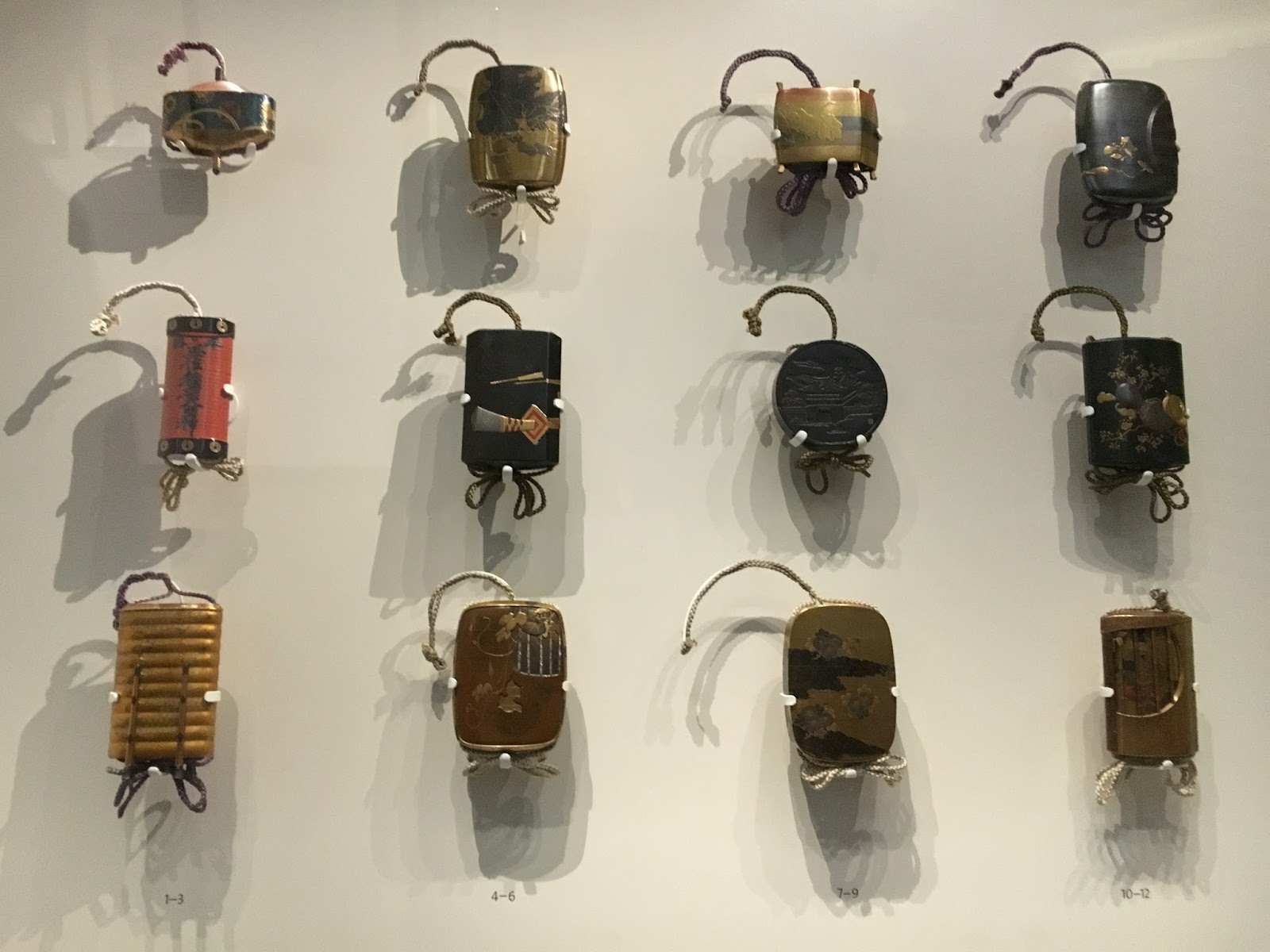

The set is by a famous Edo period lacquer artist, Shibata Zeshin, and from around 1865. The collection is made up of twelve inrō, and represent one for each month of the year (in order top to bottom, left to right). We were intrigued by the completely different designs, and also what they were actually used for. The label described them as Japanese male fashion accessories, that were highly sought after by the Western market after Japan opened its doors to the world. They are all beautifully and intricately decorated, we all immediately picked a favourite. We were also keen to write about two key interests within the group - fashion and collecting - and inrō seemed like a perfect choice.

An inrō is a miniature stacking box, originally used for storing identity seals and medicine. Beginning as quite a humble object for carrying small items, they surged in popularity in the 17th century as a utilitarian item. Inrō are actually only one component of an essential accessory for the wealthy Japanese man - the inrō is hung from a cord and secured to an obi by a netsuke, with the separate parts boxes held down and together by a bead called an ojime. This is when it emerged what a netsuke was originally used for; we had always thought they were miniature carvings, highly sought after by Westerners in the 19th century. Netsuke were in fact decorative fastenings, a crucial part of a moneyed man's outfit. Inrō, even at the height of their production, were always costly investment objects. They might be related to the modern day designer handbag, or Rolex watch.

However, as well as quality, it was also about the quantity of inrō that a wealthy Japanese man owned and displayed on their body. The inrō served a social purpose in a time when social hierarchies prevailed and sumptuary laws prohibited conspicuous displays of extravagance. Inrō became a canvas for wealth, decadence, taste and fashion that could easily be hidden behind a kimono sleeve if necessary. The fashion was competitive, giving rise to an explosion of production of high quality inrō ensembles. Men enjoyed exhibiting wit, poetry and style through clever combinations of imagery through the inrō, the netsuke and their kimono, adding to the theatre of their social gatherings.

My favourite was the 8th inrō, a design in the style of an ink cake with a purposely distressed aesthetic, apparently 'worn and chipped' in areas (see the Search the Collections entry here). It is apparently referencing Japan's beautiful moon this time of year, where one write poetry and drank a lot of sake - sounds good to me! We're hoping to be able to research a little further into individual inrō from this set for the blogpost, so I'm looking forward to getting my teeth into this one.Also I somehow spontaneously signed myself up to live-tweeting the whole thing, which you can follow up on my Twitter. I'll be in to process of writing up a proper blogpost for the class, which I will subsequently share on here later on I'm sure!


Now when I said Soapbox presentations, I really mean we had a soapbox, which we brought right into the galleries on Thursday evening to present to our class (and the public) our interpretations and research on the objects on display. Amongst the objects chosen by other groups were a 1992 'My First Sony', an East India Company print, and a lacquer 'Sainsbury's Organic Mango x 4' tray. Nobody else really joined us (it was quite late and almost closing time), but we had a lot of fun, and we all felt quite refreshed to be able to work on something non-European (at last!).


29 April 2016

Gems in Transit

Note: Annoyingly blogger deleted all the content of this post, so all my words have gone out the window! I will try my best to rewrite, but apologies if its a bit short/muddled, I'm very behind on blogposts!

So for this term, we had to choose two modules, one of which was a two-day workshop called Gems in Transit. The project focuses on gems and their influence across chronologies and geographies. For the most part, the two days consisted of presentations from scholars from many different places talking about Mughal gems, pearls, and crystals. Their topics related gems to themes about power, gender, knowledge, collaboration and technology - it was a fascinating insight into their project, and I look forward to reading their papers when they are published.

There were also some more practical aspects to the workshop. After a morning of presentations, we had the opportunity to handle some of the objects with gemstones from the Metalwork collection.  The spread started with a point cut diamond ring from the 1500s, all the way to a 20th century equivalent brilliant cut diamond cluster ring. 

I took some pictures of my favourites which vary from minimal sophistication to outright gaudy fabulousness: The first was a beautiful bloodstone box, made in Paris around the mid-1730s,which is actually a deep, rich forest green (it's a bit rubbish in the pictures). It almost doesn't seem to really be gemstone, but once opened and you could see the translucency of the stone it just made it all the more exquisite. The second image is of a Victorian diamond ring, with three rose-cut diamonds. It looks strikingly contemporary, which makes me wonder whether it has gradually seeped back into fashion in the jewellery world (this is especially as jewellery designers have been able to have further platforms to open up the design process via social media...can't help lusting over Digby & Iona's instagram just as one example). Apparently the rose-cut was surpassed by the brilliant cut because the brilliant cut enables  light to refract more efficiently inside the diamond, thus giving it a striking sparkle. The last is an outrageous Victorian brooch that incorporates diamonds, garnets, topaz, turquoise, spinel and amethyst. Nevertheless, it left us gemmies all lusting and sparkly eyed for our very own blingy bits.


The next activity was to cut some gems ourselves. We all ventured to Blythe House together to meet Nicholas Yiannarakis, a jeweller and gem-cutter who also teaches lapidary at Holts Academy in Hatton Garden. He brought in a domestic set of machinery for cutting and polishing gems, and a handful of stones (albeit not as precious as diamonds or emeralds) for us to play with. We were given a selection of jaspers, agates, and quartz and shown how to cut with a tiny jigsaw, and polish with a teeny sanding belt. All of the machinery had to incorporate water in order to keep the stones cool, so it ended up being quite a messy task.


Although it was quite a fast turnover for a workshop, it was very enriching to do something practical. What has been great about this course so far is the value that is placed on both the practical and academic, and that in many case they are one in the same piece of research. It makes me feel that my previous experience helps a lot with this course, and thankfully my colleagues are also super active and eager to initiate and get involved with projects that enjoy a multi-disciplined engagement.

Now, I'm off to beautiful Liverpool for the bank holiday, have a lovely long weekend!

05 March 2016

Second Term Essay: Hong Kong's outdoor dining


In preparation for the WIPs next week, perhaps its relevant to introduce my research topic, although I'll keep enough back so that all of you from my course won't get bored on Wednesday afternoon....

For this essay, we have to follow a design change or development through a critical historiography, which is in itself a difficult thing to grasp. It is a much less tangible task than the first essay, as of course we could always come back to our object if we veered off course but this topic was much harder to pin down. We had to choose a time period and location to cut down on the crazy amount of material we might potentially have to deal with.

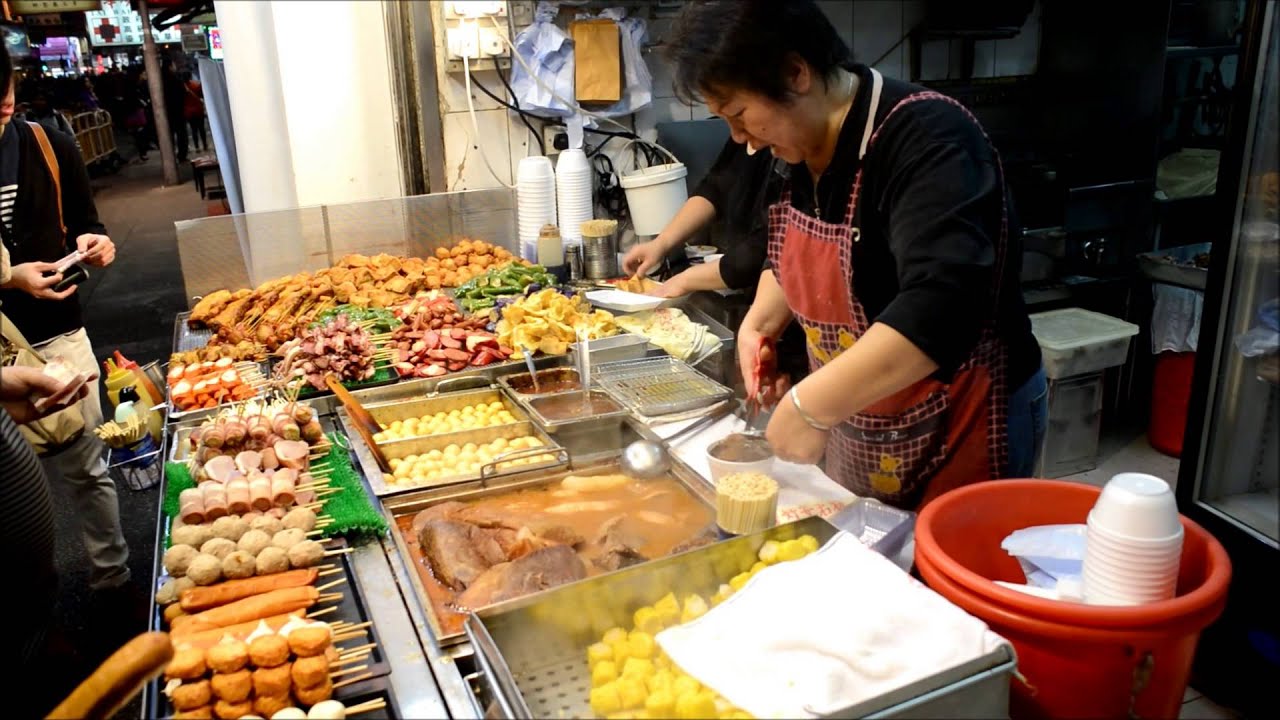
I at least knew that I wanted to focus on Hong Kong, which visibly has had a significant change in the landscape in recent years, so something must have happened. So I decide the best thing would be to ask my parents. It seemed that they were in a good position to identify the everyday changes that had taken place in the last few years, as they had had some distance with the place, but visited often enough that they could see the smaller effects of the bigger picture. They felt (as food is of course, very important whenever we visit) that the most noticeable change was the decline in a kind of eating place called a dai pai dong, a very informally set up restaurant that feature fold up tables and plastic stools, and serve up a small selection of heart seasonal dishes. No fuss, but always great food. These venues serve up breakfast, lunch and dinner, or also the late afternoon snack with a Hong Kong milk tea or a can of coke.  They suggested the area of Mong Kok in Kowloon, as a place that I recognise myself, but also as an important consumption district in Hong Kong. These were not only a big part of the growing up of my parent's generation, but also pepper my own memory of Hong Kong. I also wanted to include the street food hawker in the conversation about dai pai dong, as in my view there is something about them that really relate. They serve similar foods, have similar kinds of patrons and occupy the same kinds of spaces in Hong Kong. Both have a temporality that I don't recognise in other kinds of eating venues in Hong Kong.

This had all changed a lot even since I had been born, so I chose my time period as between 1997 until now, knowing that the handover from Britain to China is a crucial point in Hong Kong history. Naïvely, I had only really chosen it to be a consistent politics but of course this has really developed with learning more and more about the political landscape of both China and Hong Kong at that time. 

In early February, I thought my design change would be relatively obvious, focusing on the street and change in urban planning. I felt like this was already a pretty expansive topic with plenty of challenges for me to practice dealing with. But then the day after the proposal hand-in, riots broke out over the police removal of street vendors in Mong Kok. From the riot, and previous protest activity in Mong Kok, it clarifies that these streets and its activity is much more that the change in urban planning. The change is also in the people; they are further vocalising their feeling towards government changes to their territories and therefore their identities. Food is essential to the everyday life of Hong Kong people, and it is clear that the way in which they eat together, often at these informal outdoor venues, are a huge part of their collective identity. It really shook me that I had chosen something that was so current, and I think I worried that I didn't know enough to talk about this coherently and intellectually. Further research and just finding as many sources as possible, and talking to some specialists on Hong Kong and markets has really helped though to settle that insecurity, and so hopefully this week's presentation I can get some feedback in how I'm dealing with it so far. 

It's still unclear how I'm going to structure this so that it is easy to understand through design history, but hopefully this will come with more time with my material. I feel like I also have the advantage of my parents, in that they, and myself, have first hand experience of these social gatherings around dai pai dong and how it has effected even our experience of Hong Kong. Spatial issues are of course intrinsic to the workings of a city, and perhaps is even more magnified in the special conditions that Hong Kong is under, not only tiny, but also with such a specific historic relationship with two different countries and cultures.

Fingers crossed for me on Wednesday! Hopefully this is a satisfying taster (couldn't help it) for the essay to come!


31 January 2016

Photography: Berlin, Hamburg, and a new home.

At the beginning of the summer, Jonas and I made another trip to Germany. First to Berlin: although I'd been before, I felt I hadn't spent enough time there and this time Jonas and I could really get into exploring properly. We ate a lot of ice cream and saw a good few exhibitions that I count as some of the best I've ever experienced.

We also moved in together with some friends, into an area with a lot of character, and lots of odd bits and bobs that get left around in the street. I ought to take more photographs of it out in the winter, I've got out of the habit of bringing my camera everywhere.


More on my photo blog here.

Japan Photography.

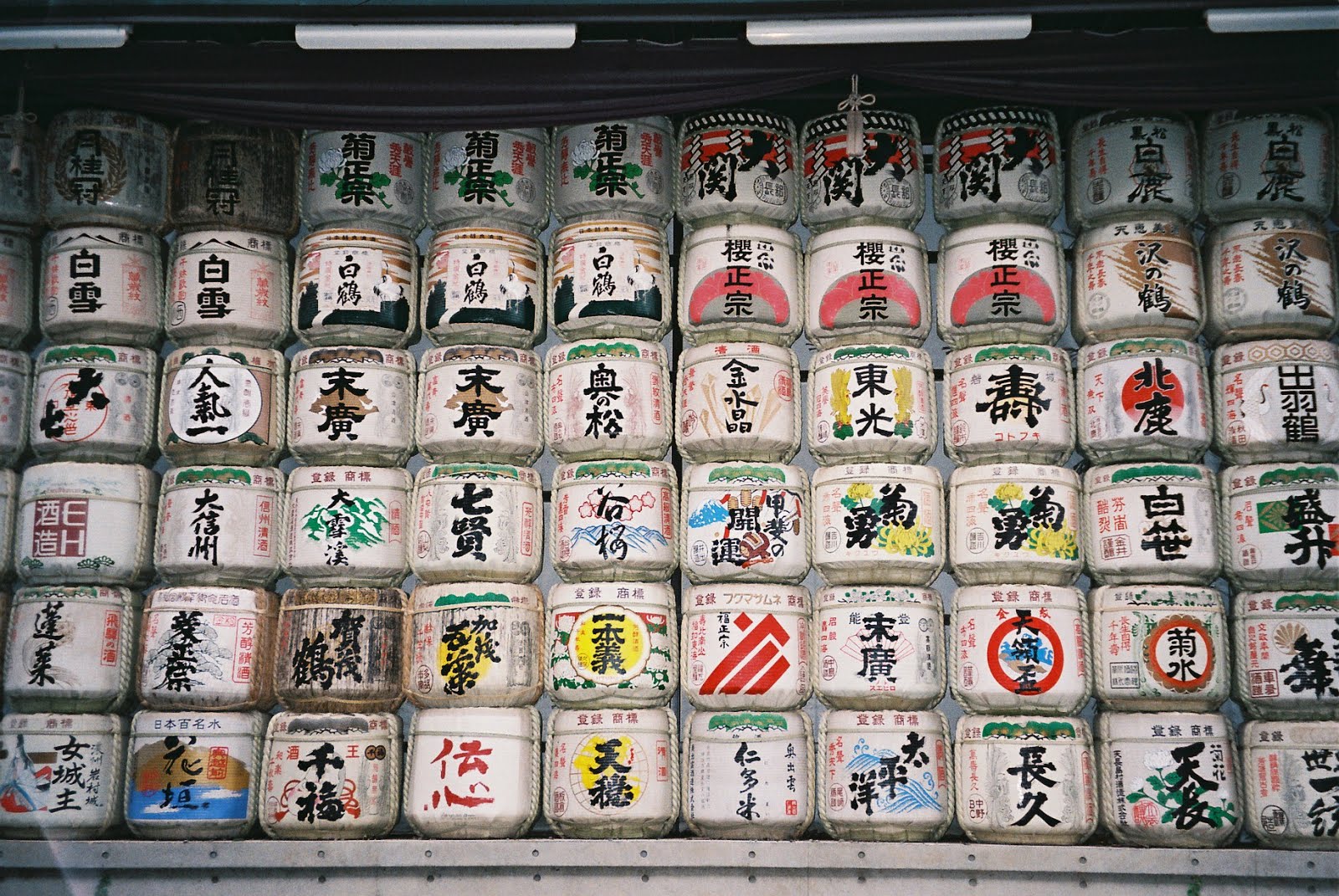
In September, my family and I lived out a life-long dream of visiting Japan for a whole 15 days. We traveled to several destinations: Tokyo, Hakone, Kyoto and Osaka to finish off. Of course if you had seen my Instagram you'll have seen plenty of the novelty Japanese treats we had... but I also brought my camera with me.

These pictures have sat on my hard drive for a while; at the time, I felt like they weren't as magical as the experience was (question is, are photographs, and should photographs, ever be good as the real thing?). But since looking back a few days ago, I think I had a few gems. Japan, I will be back.


As usual, more are posted on my photo blog here.

03 October 2014

South East Photographs.

Straight after Fashion Week, I was on a train to Poole to spend some time with my family. I have to say it had been a really long time since I had seen my family so it was great to go on a little adventure by the sea with them. A week later, the girls and I went to Brighton for a stopover on a boat and a bit of a break for us. For Rosa and I especially it has been a wonderful and hectic time in London, but it was the perfect time for this trip. Brighton was very nice to us too, with lots of sun and sea breeze.

I guess all I'm doing is showing you holiday pics but whatever. Just a reminder that summer is now over (boo hoo).


Fashion Scout SS15.

I'm finally back into a stage where I can blog again! I have been working/holidaying/working for the whole of September, and it's been pretty tiring. I promise I haven't had a spare breath until now so I honestly apologise for the late notice. 
SO time for a big catch up. I was at Fashion Scout again for Friday and Saturday. Honestly, I would say the days that I went to were a little disappointing, and I guess that this season has had many people questioning the fashion system. You can only have a look at the Chanel show to see that it's starting to crack. So I can only say that I didn't enjoy it so much this season, purely because I'm starting to get a little bored... harsh? Possibly. But I'm not important enough for people to care.
I've always known that I couldn't continue fashion illustration forever as my entire career; I can barely keep interested in drawing for other people. But either way, I got some nice pieces out of this season... but it is possibly time for me to move on. That doesn't mean I'll be leaving the fashion world at all! I've met too many incredibly kind and innovative people for that. Besides, I will always love clothes, I will always love the performance and concepts of shows.

Ashley Isham

Cassandra Verity Green

Marianna Jungmann

Min Wu

Ong Oaj Pairam

Yujia Jin

Bernard Chandran

Dora Abodi

 
Kiev Showcase

Little Shilpa


Merit Award

Zeynep Kartal